

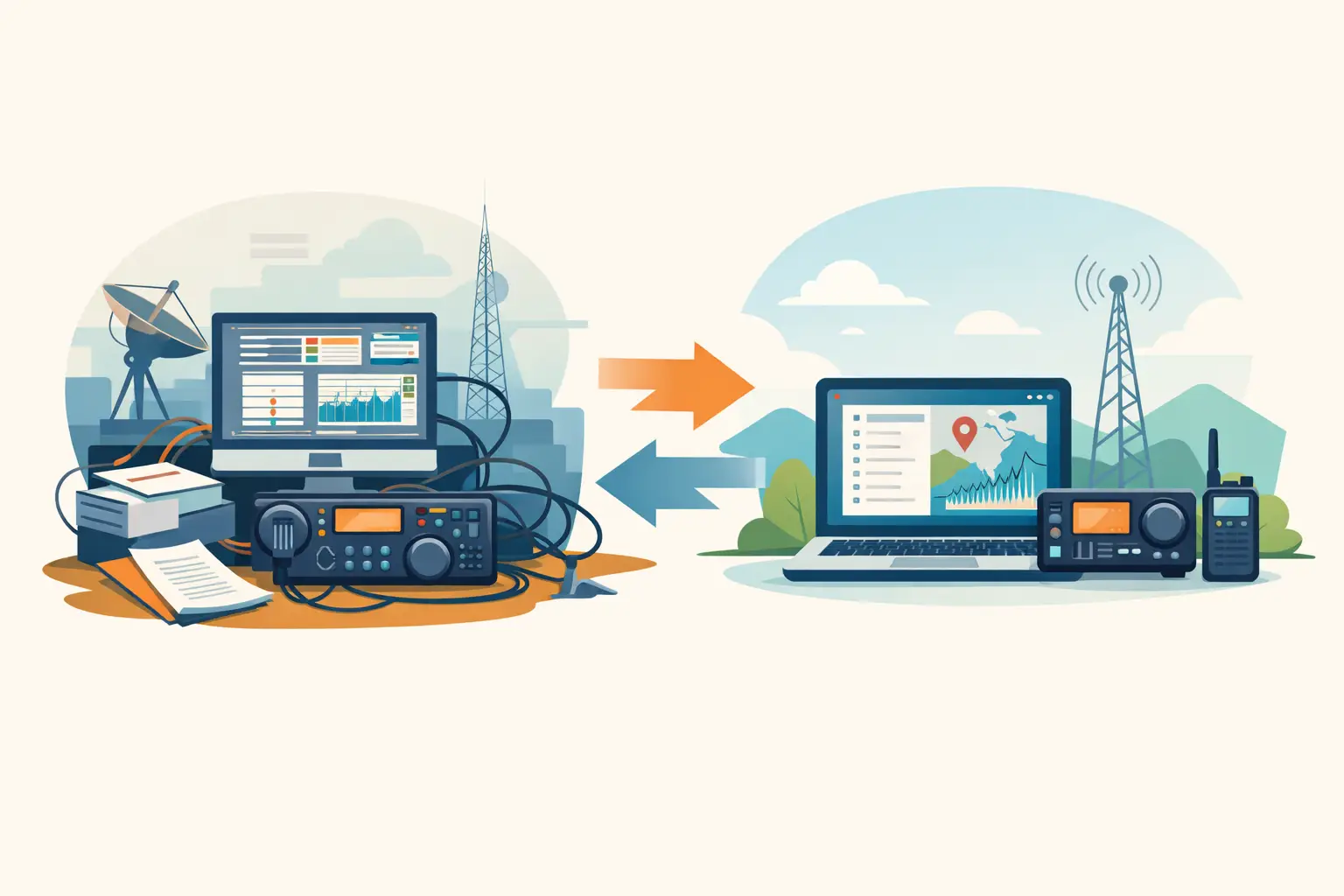
You sat down to make a few contacts, not to spend the evening configuring database fields, reading a manual, or figuring out why a logging program wants information you never planned to track. If you want to replace complex ham logging software, the right answer may be much simpler than another feature-packed suite.
For many hams, a logbook has one job: record the contact accurately so you can find it later. Callsign, date, time, band, mode, name, location, and a few notes often cover what matters. A program that turns that basic job into a project can take the fun out of operating.
When Your Logging Program Is Getting in the Way
Complex logging software is not automatically bad software. Some operators need advanced contest tools, detailed award tracking, station automation, digital-mode integration, propagation analysis, and large custom reports. If those are part of your regular operating routine, a full-featured program may be worth the learning curve.
But plenty of operators do not need all that. They need to log contacts after a relaxed rag chew on 40 meters, keep a record of a net check-in, or look up the fellow they worked from Arizona last month. When the program presents dozens of screens and settings before it will do that, it is reasonable to ask whether it fits the way you operate.
The warning signs are usually practical. Maybe you put off entering contacts because the process feels tedious. Maybe you are afraid to change a setting because you do not know what else it will affect. Maybe you installed a program, looked at the screen, and decided paper was easier. None of that means you are bad with computers. It may simply mean the software was designed for a different kind of user.
What to Keep When You Replace Complex Ham Logging Software
Changing log programs does not mean giving up a dependable record of your station activity. It means deciding which parts of the record are truly useful to you.
Start with the information you enter for nearly every QSO. For most casual and everyday operators, that means the other station’s call sign, date and time, band, mode, signal report, name, QTH, and notes. You may also want a way to search prior contacts so you can quickly see when you last worked someone.
Then consider how you actually enter a contact. A good basic log should let you move through the fields in a natural order without forcing you to complete a long form. If you normally jot down a call and details while the QSO is still fresh, the entry screen should support that habit, not interrupt it.
Reliability matters more than a flashy dashboard. Your log is part station diary, part operating record, and often a reminder of people you have met over the air. Look for software that makes it clear where your data is stored and allows you to maintain a backup. A simple program is not a throwaway program. It should still help you protect the contacts you have worked hard to make.
Simplicity Is Not the Same as Missing Features
There is a common assumption that a simpler logbook is only for new hams. I do not see it that way. Experienced operators often know exactly what they want, and just as importantly, what they do not want.
A program can be focused without being flimsy. The difference is whether it handles the essentials well. Can you add a contact without hunting through menus? Can you correct an entry later? Can you find a call sign quickly? Can you keep the log organized without becoming a database administrator? Those are meaningful features for a working ham station.
Think about the difference between owning a tool chest and carrying every tool to the bench for a small repair. Both have their place. But for an ordinary job, the tool you can pick up and use right away is usually the one that gets used.
Make the Change Without Creating Another Project
Before you switch, take a little time to understand your existing log. Find out whether it can export your contacts in a common format, and make a backup before changing anything. Even if you never import every old contact into a new program, that backup gives you peace of mind.
Next, try the new workflow with a few sample entries. Enter a recent QSO, look it up, make a correction, and see whether the screen makes sense without a tutorial. The first few minutes tell you more than a long list of features. If the process feels obvious, you are probably on the right track.
It also helps to be honest about your operating plans. A program that is perfect for casual HF contacts may not be the best choice for a serious contest weekend. That is fine. You do not have to choose software based on the most demanding activity you might possibly try someday. Choose it for the operating you do now and expect to do most often.
For a lot of hams, the best arrangement is a straightforward daily log and a separate specialized tool only when a special event or contest calls for it. That approach keeps ordinary operating easy without closing the door on occasional advanced work.
Do Not Underestimate Good Human Support
Software support is part of the product, especially when a computer problem is standing between you and your radio. A low-priced program is not much of a bargain if you are left alone with an installation issue or a question about your own records.
Before buying, ask a plain question: if I get stuck, can I reach a real person who understands both the program and amateur radio? Documentation is helpful, but it cannot always replace someone who can look at the problem with you.
That personal help is why I created HamLogBook. I am Kevin Rea, K6REA, and I built it for operators who want to log contacts without carrying around a pile of features they will never use. The program is built in Microsoft Access, with the same practical database mindset I have used since 1992. If installation or use becomes a problem, I can connect remotely through Splashtop and help get things sorted out.
That kind of support will not matter to everyone. Some hams enjoy solving every computer issue themselves, and more power to them. But if you would rather spend your spare time calling CQ than troubleshooting an installer, direct help can make a real difference.
A Better Test Than a Feature List
When comparing logging programs, do not start with the biggest feature list. Start with a normal evening at your station. Imagine making three contacts, entering them while the details are fresh, then searching for one of those call signs next week. Could you do all of that comfortably?
If the answer is yes, the program is doing its job. If the answer is no because you need to configure, customize, or study it first, it may be more software than you need.
There is nothing wrong with choosing the uncomplicated path. Amateur radio already offers plenty to learn: propagation, antennas, operating practices, new bands, new modes, and the people on the other end of the signal. Your logbook should quietly preserve those contacts, then get out of the way so you can make the next one.